Ensuring Your Body Armor Fits Right: A Crucial Pre-Purchase Checklist
Choosing the body armor involves more than simply picking the largest size on the rack. Oversized body armor can slow movement. Create safety problems, especially at the shooting range. A large piece of body armor can catch on equipment. Move into uncomfortable places when you handle a firearm. Conversely a body armor that is too small may not protect the areas that're essential. Therefore it is essential to examine the fit of body armor before buying because fit is a key part of safety and function.
Focus on Coverage Needs First
When looking at body armor it is important to know that coverage is made for areas not for all areas at once. Most body armor gives back coverage for the torso but may leave the sides, belly area and shoulders open. Some body armor adds side panels. These panels can add weight and bulk which can hurt movement.
To make a choice think about the tasks you normally do and how body armor will work in those situations. Do not assume that longer body armor is always better. For example body armor that goes far down can get in the way when you sit or can interfere with a belt‑mounted holster. Look at how body armor works when you move and make sure body armor lets you handle a firearm naturally.
Accurate Measurements Matter More Than You Think
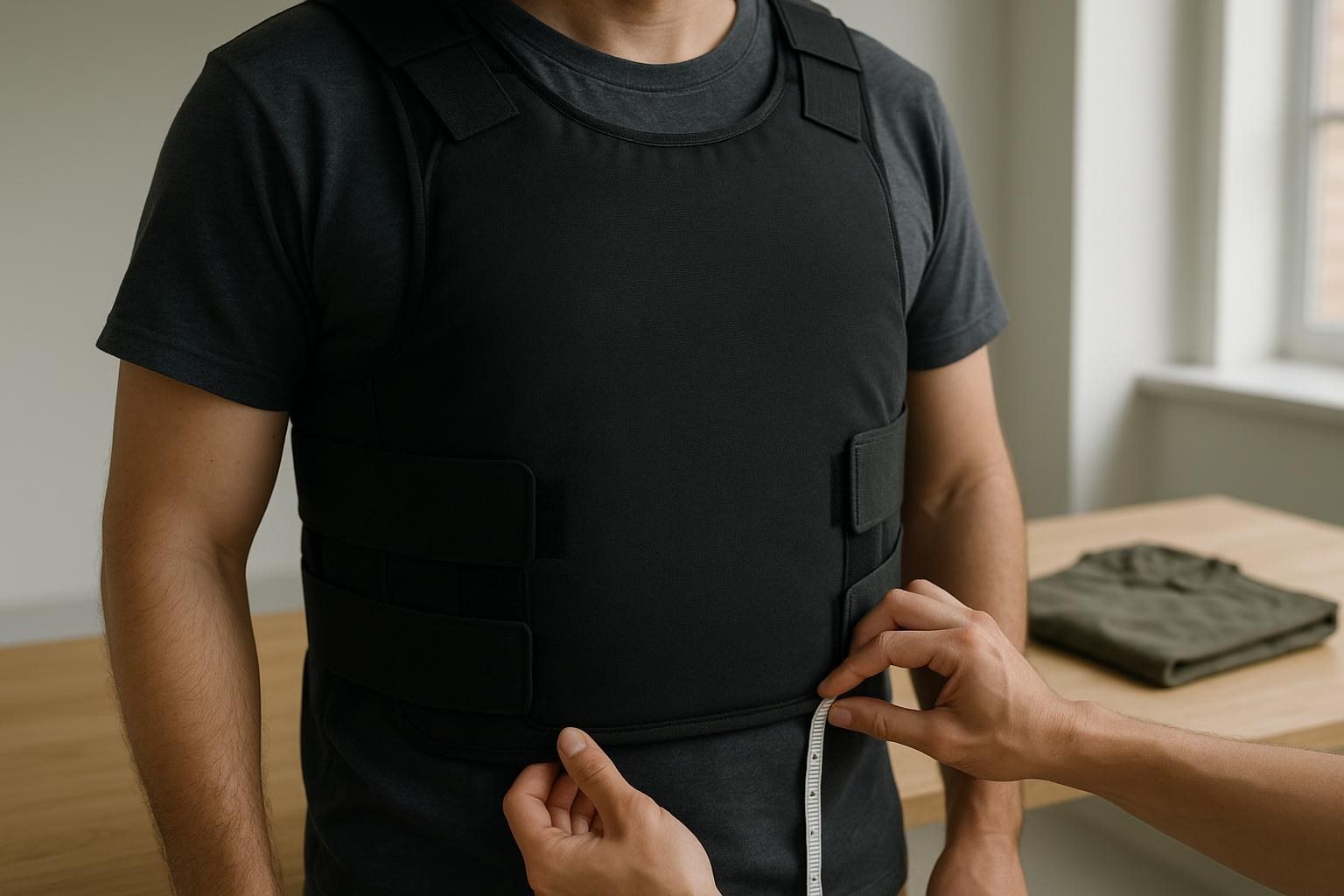
Sizing a body armor well often needs care than simply matching it to the size of everyday clothes. Instead always use the manufacturer's measurement rules for that body armor. Your body shape, along with your chest size is very important for a fit.
Take the measurements while wearing the undergarments you will normally wear under body armor – what fits tight under a shirt may feel very different under a thicker layer. Factors such as belts and other gear can change your measurements so include those too. It is always better to double‑check with the manufacturer if the sizing rules are unclear than risk buying a body armor that does not fit.
A well‑fit body armor should stay firmly in place letting you breathe normally without feeling too tight. A body armor should not move a lot when you move or when you lift your arms over your head; instead a body armor should stay solidly where it belongs.
Practical Fit Evaluation at the Range
To really test the fit of body armor the best method is to use it in movements instead of just looking at it in a mirror. Put on your gun and normal range gear then do the motions you normally do. Check how body armor feels when you put the gun on your shoulder and how your arms and legs move with body armor while you sit or bend.
Watch for any pain or pressure spots on your neck, ribs or waist. If body armor moves toward your throat or comes off your back when you lean body armor is not fitting properly. Remember that repeated motion can make small annoyances worse. It is very important to catch these problems before you start shooting.
Understanding Protection Levels
When choosing body armor protection levels are more than simple rankings; they explain how well body armor can stop specific threats under different situations. The ability of body armor can depend on things, such as how it is built and how much area it covers. Always read the manufacturer's documents of picking the heaviest body armor just because it seems safer.
Make sure you know which threats the chosen body armor is rated to stop and which areas body armor is meant to protect. Sometimes products have descriptions missing detailed facts about panel types, protection standards and limits – be careful with such listings. Standards can. Be updated so always check the newest data from reliable sources.
It is very important to remember that while body armor gives a layer body armor does not guarantee that you will not get hurt. Always combine wearing body armor with essential safety steps, such as eye protection and safe gun handling rules.
Pre‑Range Purchase Checklist
– Check your size: Measure and compare your dimensions with the manufacturer's requirements, for body armor and panels.
– Assess coverage: Review the areas that body armor covers to make sure they match your personal needs and daily tasks.
– Confirm ratings: Check the protection levels of armor. Make sure armor levels match the documented specifications.
– Test your gear: Wear clothing and put on range gear. Handle unloaded firearm safely while running drills.
– Evaluate movements: Raise arms bend legs and act like your stance. Remove options that limit firearm handling.
– Inspect for defects: Look for damage or wear. Talk to manufacturer if something looks odd.
– **Stay informed: Learn local rules and range limits from official guidelines.
Know When to Adjust or Return Your Gear
I remember that a poor fit does not show a shortcoming. If armor does not position panels correctly without many adjustments it might be time to contact the seller or manufacturer for an exchange. Do not modify armor yourself because changes could reduce armor protection and void any warranties.
I always store armor properly following the manufacturer's guidelines keeping armor away from damage. Check armor before use especially after impacts or when armor shows visible damage. The best body armor fits well lets you move safely and stays in condition, with the manufacturer's care. Balancing coverage, comfort and protection keeps you safe and efficient at the range.